
Tool Tuesday: The Rib Tool — Smooth, Shape & Strengthen Your Forms
Whether you’re just getting your hands in clay for the first time or refining your wheel-throwing skills, you’ve probably come across a flat, curved tool sitting quietly in the tool bin. This is the rib tool—simple in design, but incredibly powerful in practice.
🛠 What Is a Rib Tool?
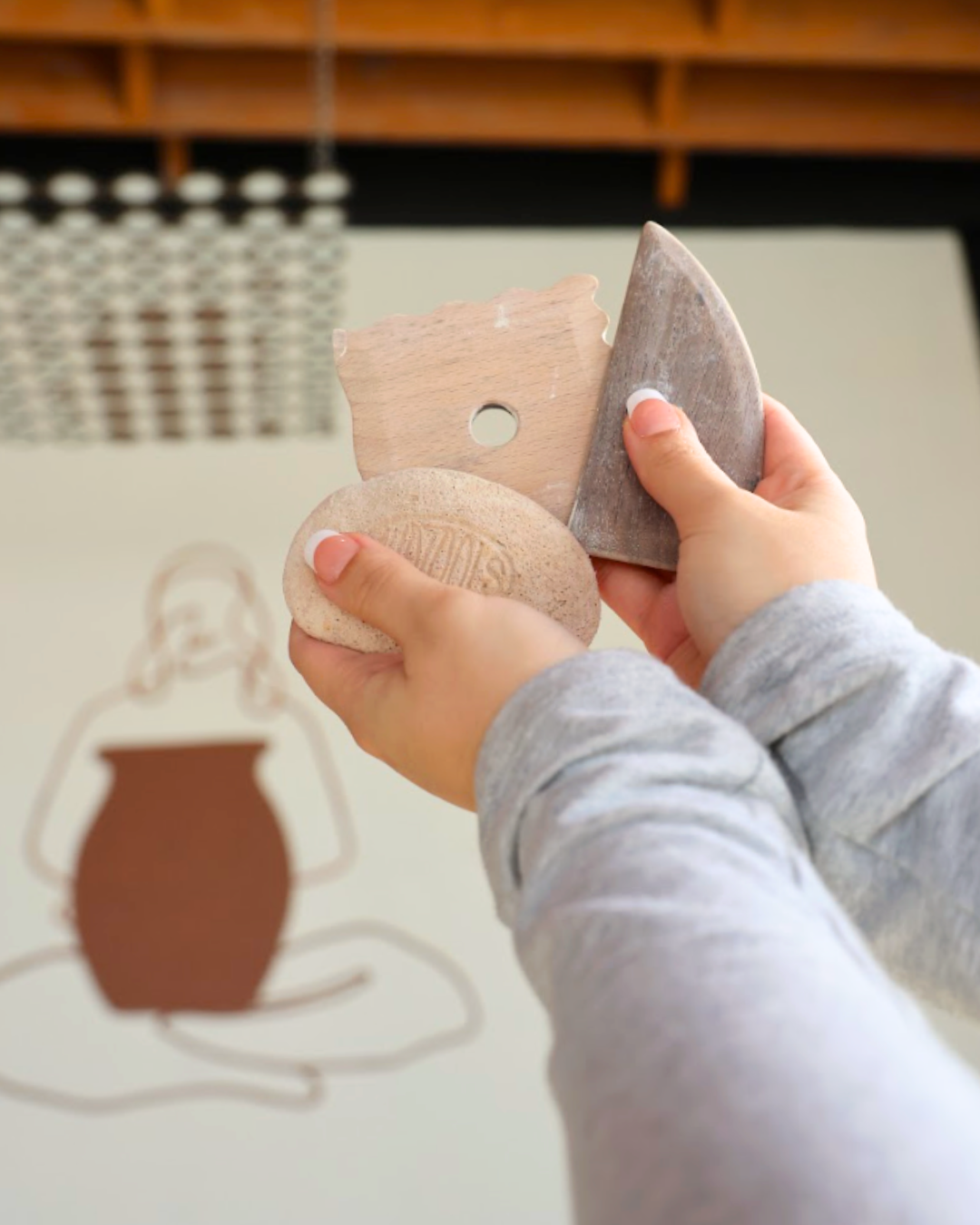
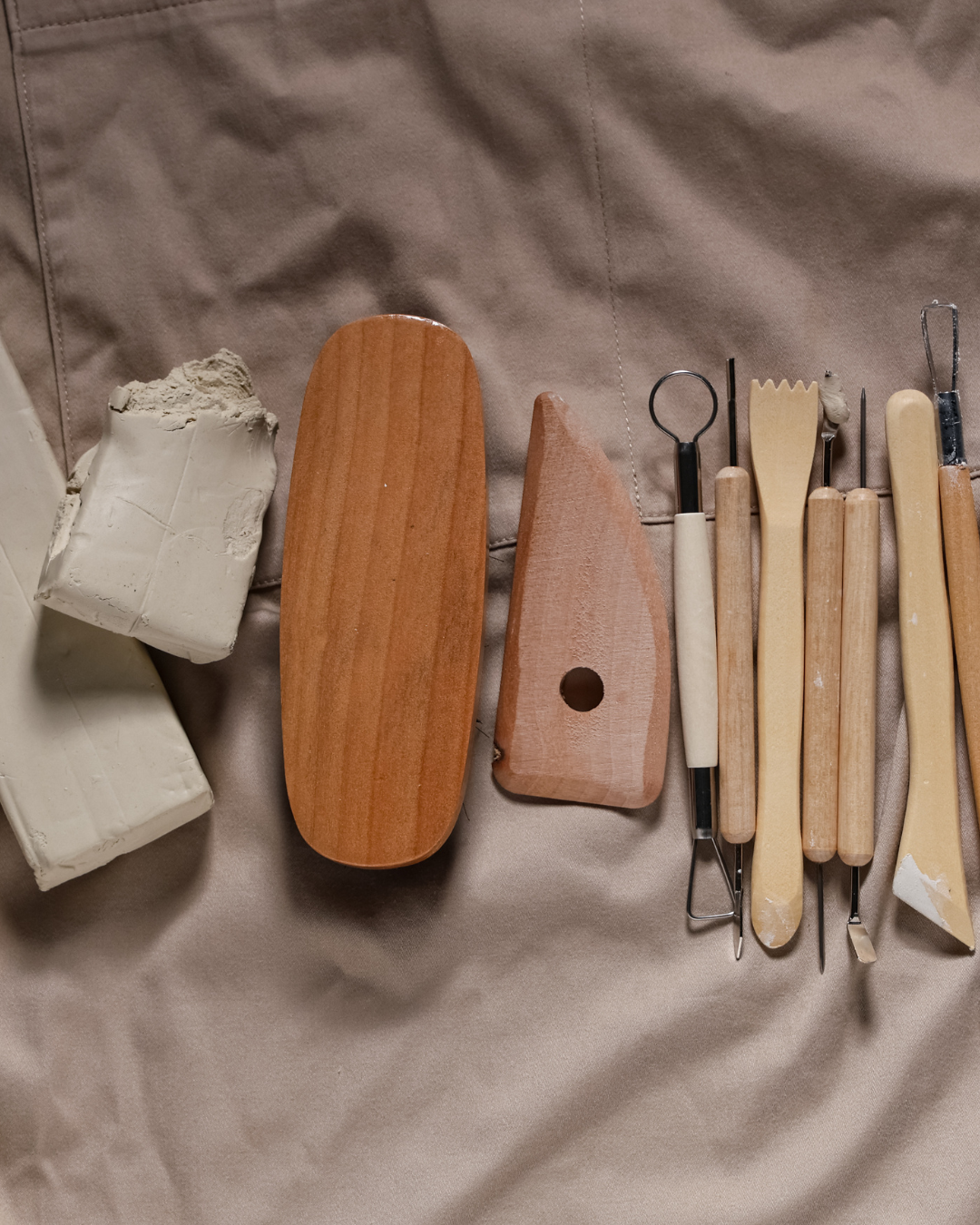
A rib tool is a flat, handheld tool used to shape, smooth, and compress clay. It typically comes in a variety of materials like wood, metal, or flexible rubber/silicone, and can range in shape from soft curves to straight edges. Each variation offers a slightly different feel and finish, making ribs one of the most versatile tools in ceramics.
While it may not look like much at first glance, the rib tool is essential for creating clean, refined forms—especially on the wheel.
🧠 How Rib Tools Are Used
Shaping & Refining Forms
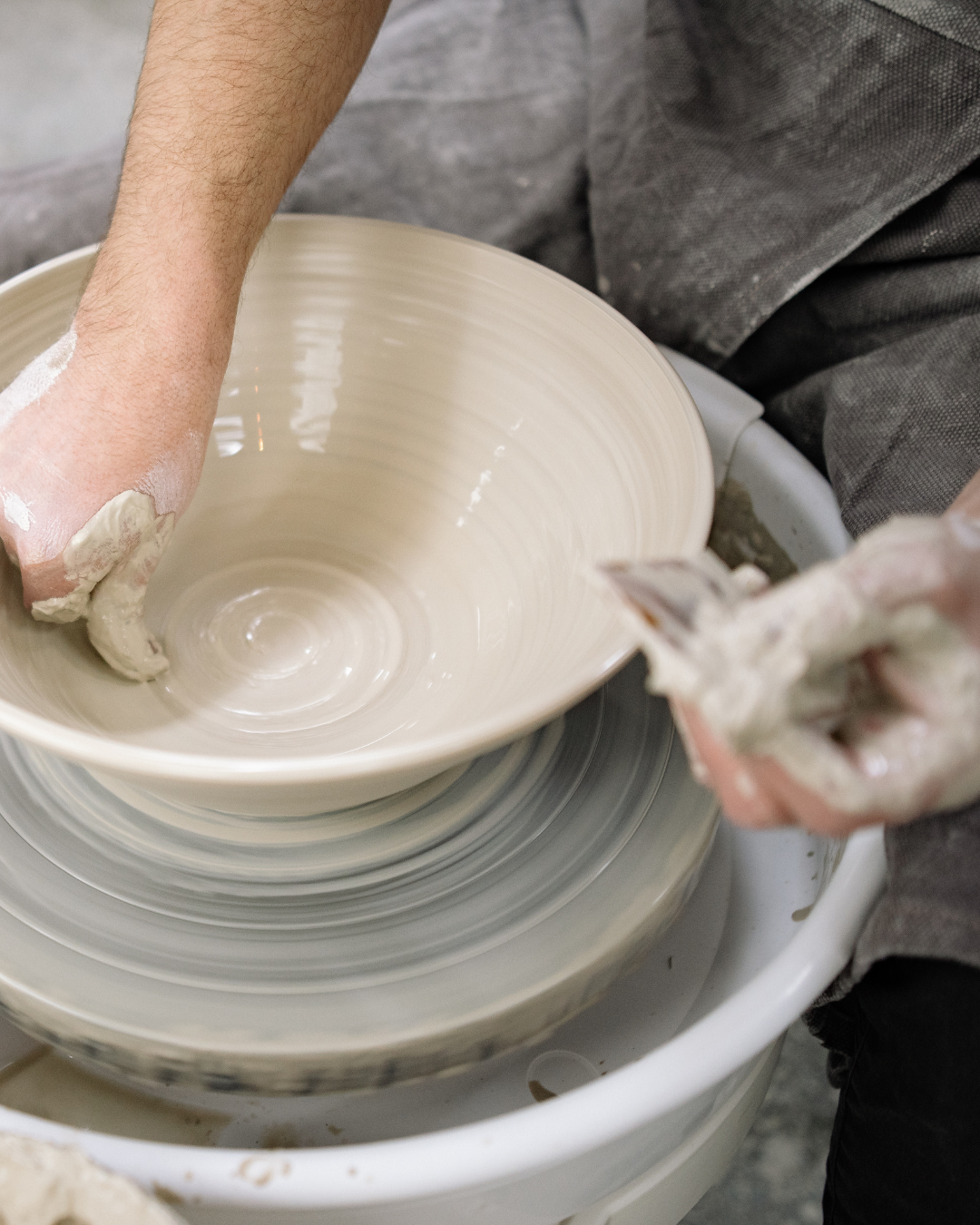
When throwing on the wheel, rib tools help define the silhouette of your piece. By gently pressing the rib against the clay as it spins, you can create smooth curves, straighten walls, or sharpen edges with more control than your hands alone.
Smoothing Surfaces
Ribs are perfect for removing small bumps, fingerprints, or uneven textures. A few passes with a rib can transform a rough surface into a clean, polished finish—before your piece even dries.
Compressing Clay
One of the most important (and often overlooked) uses of a rib tool is compression. By compressing the clay—especially at the base—you strengthen your piece and reduce the chances of cracking during drying and firing.
✨ Tips for Using a Rib Tool
Match the rib to your goal: Use a flexible rubber rib for smooth curves and a firmer wooden or metal rib for sharper shaping.
Work with steady pressure: Let the wheel do the work—apply gentle, consistent pressure instead of forcing the clay.
Keep it clean & slightly damp: A damp rib glides more smoothly and helps prevent dragging or scratching your surface.
Use it early and often: Incorporating the rib throughout your process (not just at the end) leads to stronger, more refined pieces.